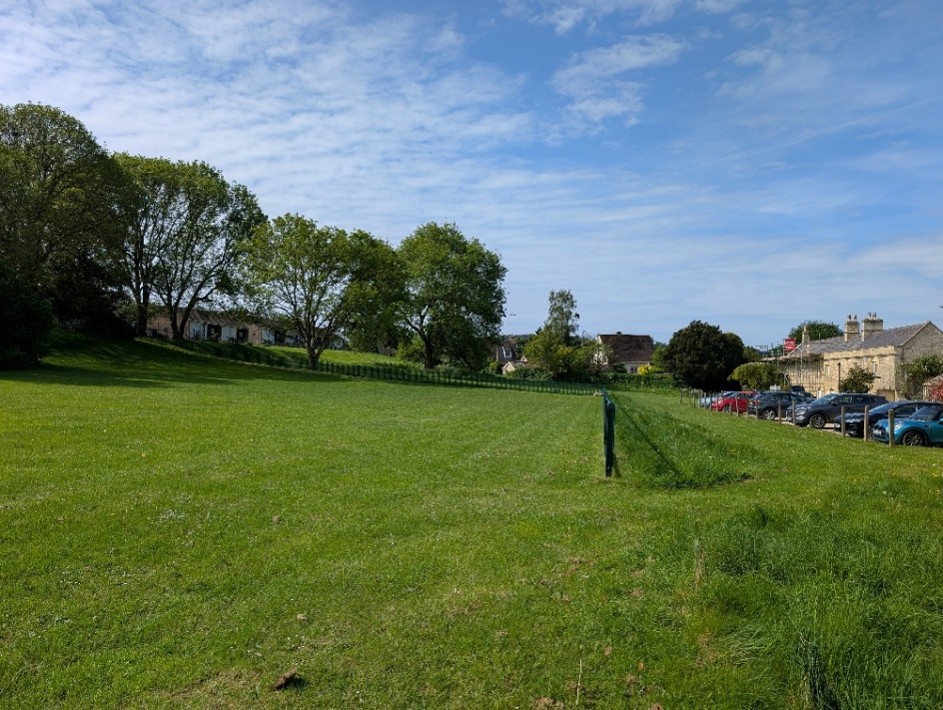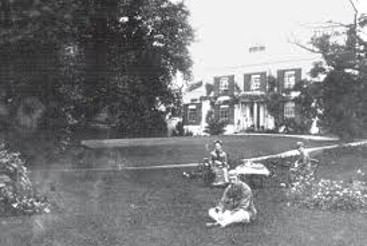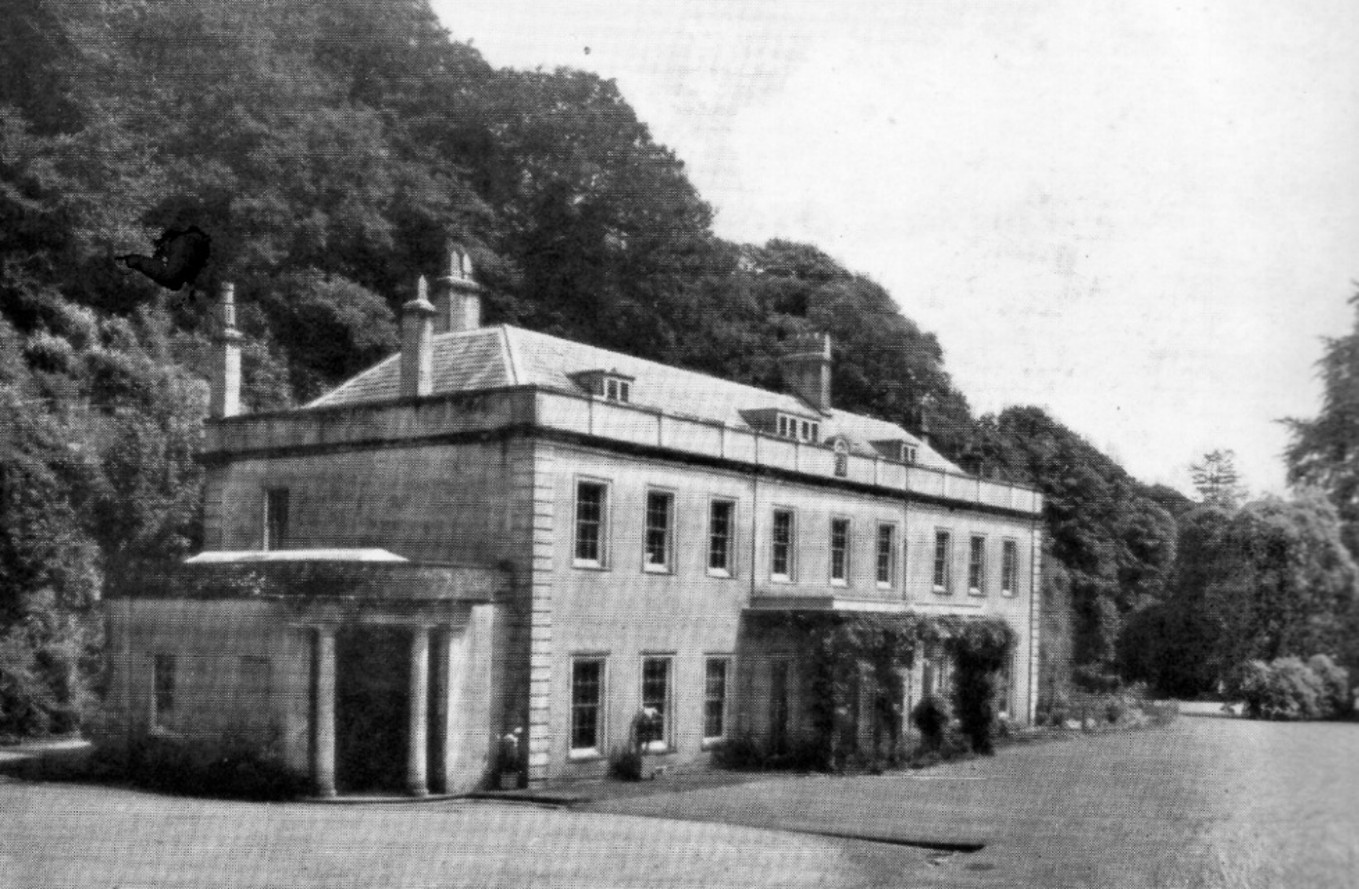
Kenneth Robert Murchison was not Bathford born and bred. He was a product of Empire first peering out through his cot’s mosquito net in Penang in 1829. His father had been successively Resident Councillor of Singapore and the third Governor of the Straits Settlements and had found time while there to conduct a geological survey of Penang on behalf of his brother Roderick. Maybe an interest in rocks and rivers rubbed off on son Kenneth Robert: The Royal Geographical Society lists K.R. (Kenneth) Murchison, resident at the ‘Manor-house, Bathford’ as having been elected as a member in 1859.
Continue reading “Bathford Manor House, Bath – Country House Cricket”Burton Pynsent, Curry Rivel – Country House Cricket
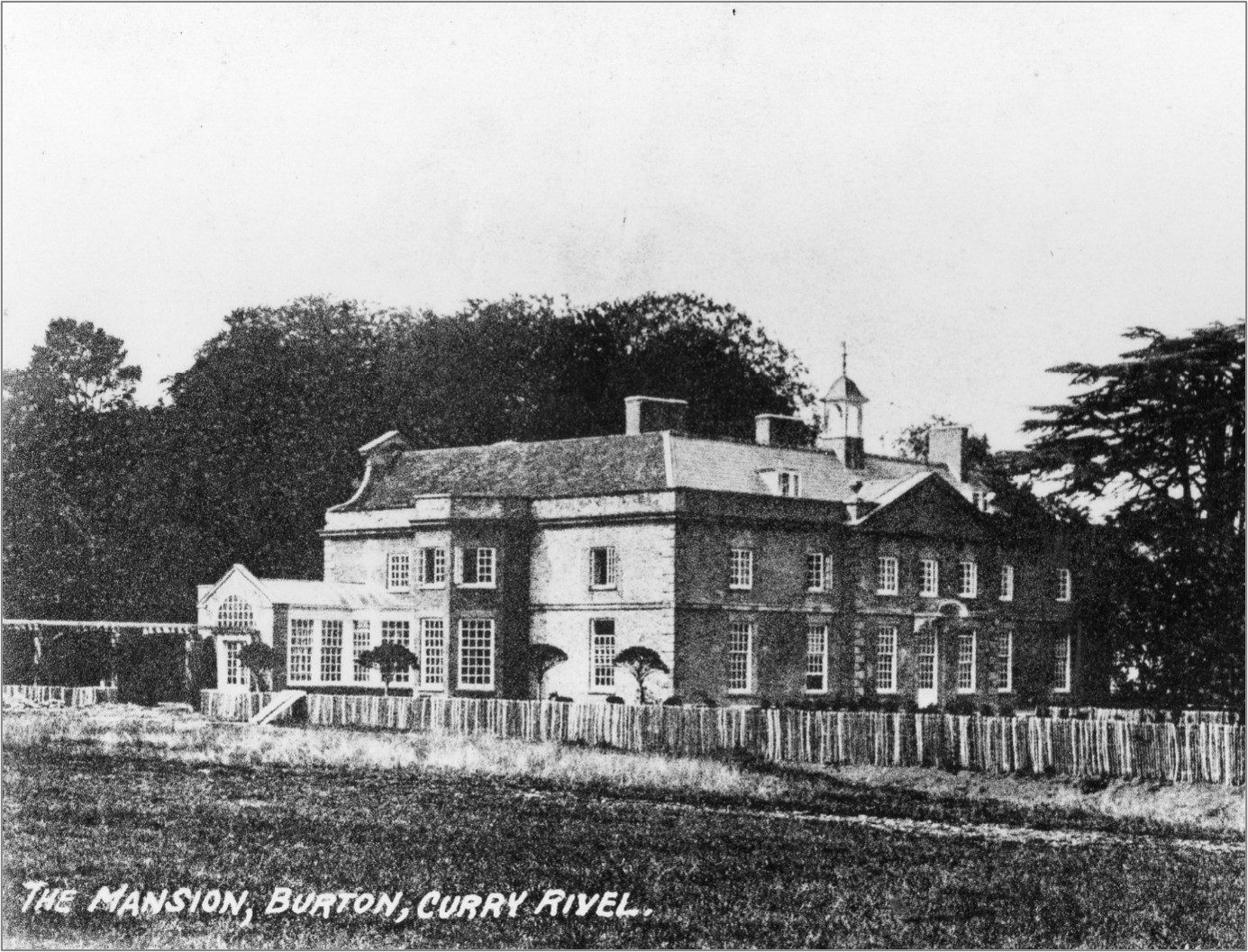
Sir William Pynsent was both a landowner and politician. He sat in the House of Commons between 1715 and 1722 and bequeathed his house, Burton Pynsent, to William Pitt the Elder. The latter, briefly Prime Minister in the late 1760s, duly inherited it in 1765 on Pynsent’s death. Pynsent had said, ‘‘I hope he will like my Burton estate, where I now live, well enough to make it his country seat’’. Well, he, Pitt, did after a fashion, living there on and off until his death in 1778. His widow remained at the estate until her own death in 1803. It was then split up and sold a couple of years later.

Image courtesy of authors of ‘Curry Rivel Past & Present’.
Butleigh Court, Street – Country House Cricket
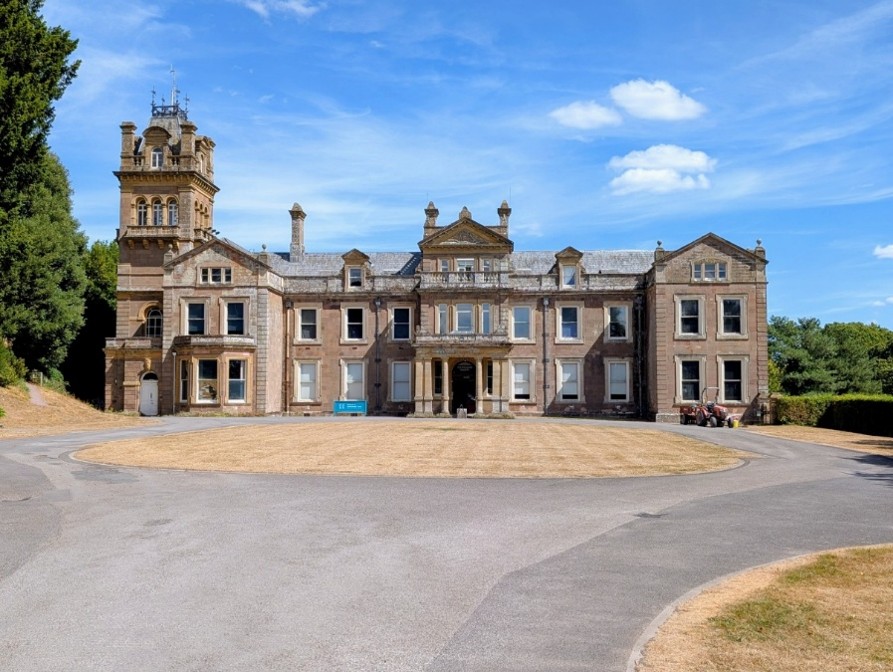
Cricket at Butleigh Court is a success story. The first overs were bowled in the mid-nineteenth century and today, 175 years on, there is still no sign of stumps being drawn
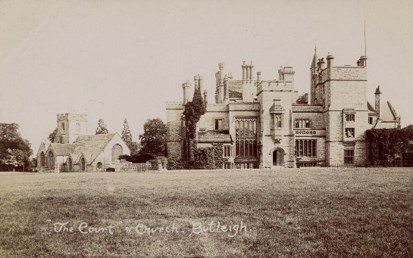
The Court itself was constructed in 1845–51 replacing an earlier building on the same site burnt down, it is thought, in the previous decade. (Fire was the scourge of many country houses.)

Henley Lodge, Yatton – Country House Cricket
Henley Lodge once sat at the south end of Yatton. Now submerged under a housing estate it’s one of a number of locations in the town that hosted cricket in the nineteenth and early twentieth centuries. Running through much of that early history is Mr Tankerville Chamberlayne a character who lived a life as fascinating as his name.

Hestercombe House – Country House Cricket
The Hon E. W. B. ‘Teddy’ Portman was the eldest of five surviving sons of the second Viscount Portman. He was heir to the extensive Portman Estates and moved into Hestercombe in December 1894 with his wife of two years, the Hon. Constance Mary Lawley (the House being ‘made over’ to him by his father). Conscious of his priorities Teddy soon became its cricketing patron.

Barrington Court – Country House Cricket
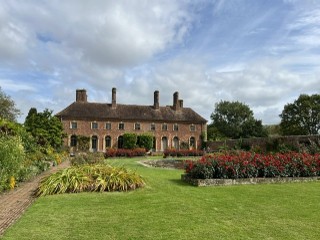
Overlooked by most visitors to Barrington Court in Somerset is its cricket pitch. Today it is quiet and unused. But in the past, its champion, its enthusiast, was Colonel Arthur Lyle. Injured aged 35 at the Battle of Aubers Ridge in May 1915 he appears not to have returned to active service; maybe thoughts of cricket were a lifeline during unimaginably dark days.

Ashwick Grove – Country House Cricket
Somerset Country Houses come in many forms. Some remain with their original family. Some are owned by the National Trust. Some have been divided into flats. And some are no more. Ashwick Grove falls into the last category.

Watts Lane, Bishops Lydeard – Ground History
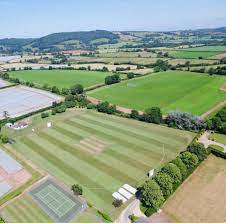
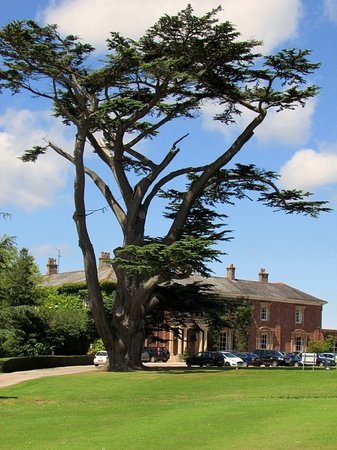
This beautiful ground lies behind Watts House, now known as Cedar Falls. Watts House was built by the Winters family and was completed in 1831.the family lived there until about 1890.

Country House Cricket at Watts House (Cedar Falls)
Watts House (Cedar Falls near Bishops Lydeard) features greatly in the history of cricket with the County of Somerset and staged much ‘country house’ cricket rather than club or ‘Gents Players matches. There was never this distinction in country house matches (see Barry Phillips’s book on HT Stanley & Quantock lodge cricket).


You must be logged in to post a comment.